PAGESCONTACT
Process Crane | Custom-Engineered Industrial Cranes
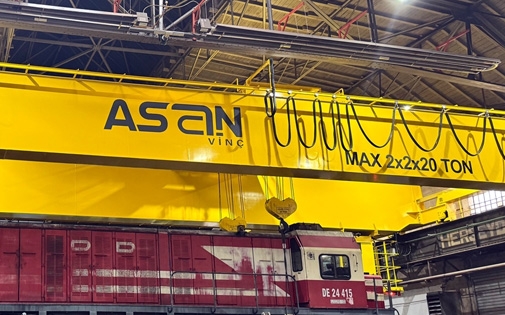
A process crane is a specialized industrial lifting system engineered to perform critical, repetitive and often continuous lifting operations within a production process. Unlike a general-purpose overhead crane, a process crane is designed around the specific requirements of the facility, including load spectrum, duty cycle, lifting speed, travel distances, environmental conditions, automation requirements and the operational consequences of downtime.
At Asan Cranes, process crane systems are engineered according to the application rather than selected from a standard catalogue. The objective is to provide a reliable, maintainable and fit-for-purpose lifting solution for demanding industrial environments where crane availability and operational safety are essential.
Process cranes can be used in steel mills, foundries, power plants, waste-to-energy facilities, mining operations, ports, shipyards, pulp and paper mills, automotive plants and other heavy industrial applications.
What Is a Process Crane?
A process crane is a custom-engineered overhead or gantry crane designed to perform a defined lifting function within an industrial production process.
The term "process" is important because the crane is not simply used for occasional material handling. It forms part of the production or material-handling workflow. Its operating pattern can include thousands or millions of lifting cycles over its service life, depending on the application and duty classification.
For example, a crane used to handle molten-metal ladles in a steel plant has very different engineering requirements from a warehouse crane used occasionally to move maintenance equipment. Capacity alone does not define the crane. The actual engineering requirements are determined by the combination of:
- Rated lifting capacity
- Load spectrum and mean effective load
- Number of lifting cycles
- Hoisting and travel speeds
- Working hours per day
- Number of shifts
- Required positioning accuracy
- Ambient temperature
- Dust, humidity and corrosive conditions
- Hazardous-area requirements where applicable
- Required automation level
- Maintenance strategy
- Consequences of equipment downtime
For this reason, a process crane should be considered an engineered lifting system, not simply a heavier version of a standard overhead crane.
Process Crane vs. General-Purpose Overhead Crane
The fundamental difference between a process crane and a conventional overhead crane is the relationship between the crane and the industrial process.
A general-purpose overhead crane is commonly used for material handling, maintenance, assembly or storage operations where lifting frequency and environmental demands are relatively moderate.
A process crane, on the other hand, may operate as an integral part of production and may be required to perform repetitive lifting under severe operating conditions.
| Feature | General-Purpose Overhead Crane | Process Crane |
|---|---|---|
| Main purpose | General material handling | Dedicated industrial process |
| Engineering approach | Standard or semi-standard | Application-specific |
| Duty cycle | Low to moderate, depending on application | Moderate to continuous/severe, depending on application |
| Load spectrum | Usually less demanding | Defined from actual process data |
| Environment | Conventional industrial environments | May include heat, dust, moisture or corrosive atmospheres |
| Automation | Optional | Frequently integrated where process demands it |
| Redundancy | Application dependent | Increased redundancy may be required for critical operations |
| Maintenance strategy | Conventional | Planned around availability and production requirements |
| Downtime impact | Usually limited | Can directly affect production |
The appropriate crane service class should always be established from the actual load spectrum and operating conditions rather than simply assuming that every process crane belongs to the highest duty class.
Under CMAA Specification No. 70, for example, Class F represents continuous severe service, intended for specialty cranes that perform critical tasks affecting the production facility. The classification is related to load class and number of load cycles, making application data an important part of crane selection.
Types of Process Cranes
Process cranes can be configured in different ways depending on the industrial application, building arrangement and lifting requirements.
Process Overhead Cranes
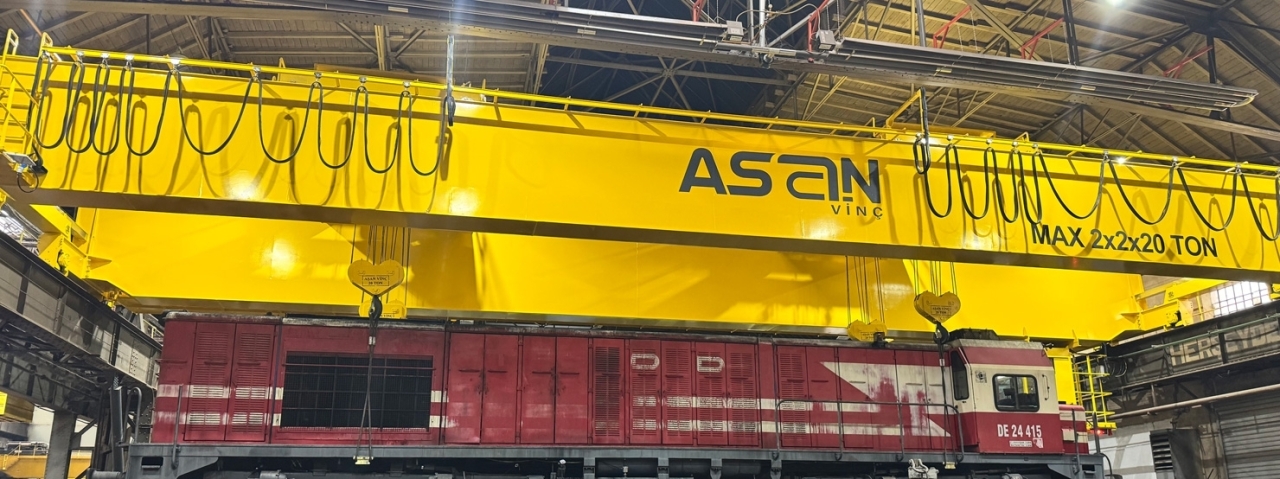
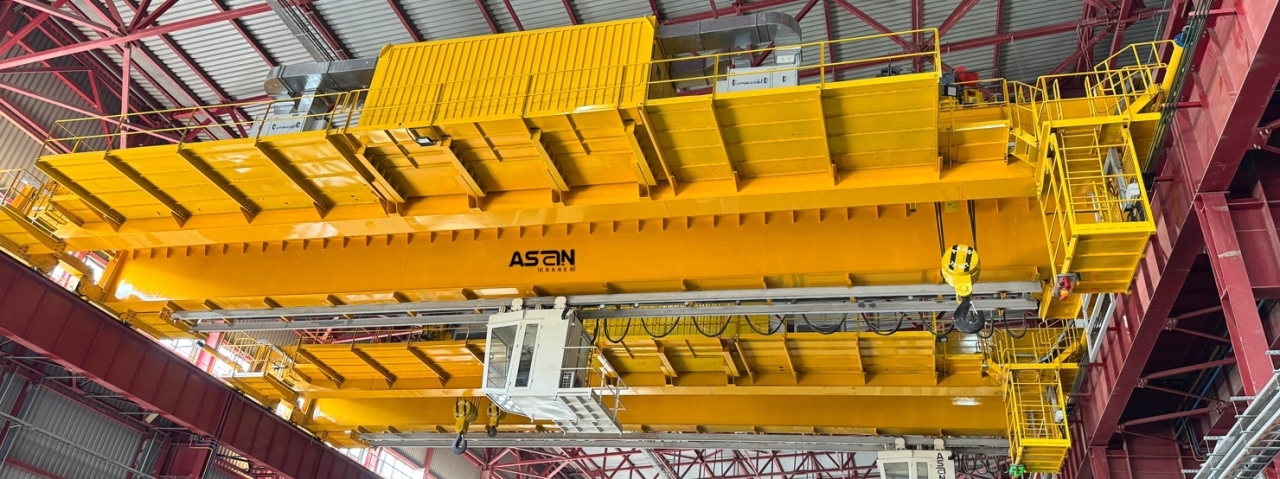
Process overhead cranes are bridge cranes that travel along elevated runways. They are widely used in manufacturing plants, steel mills, foundries, power plants and other industrial facilities.
Depending on capacity and duty requirements, the crane can incorporate single-girder or double-girder construction, multiple hoists, auxiliary lifting mechanisms, specialized attachments and automated control systems.
For high-capacity and high-duty applications, double-girder configurations can provide the structural and mechanical characteristics required by the application.
Process Gantry Cranes
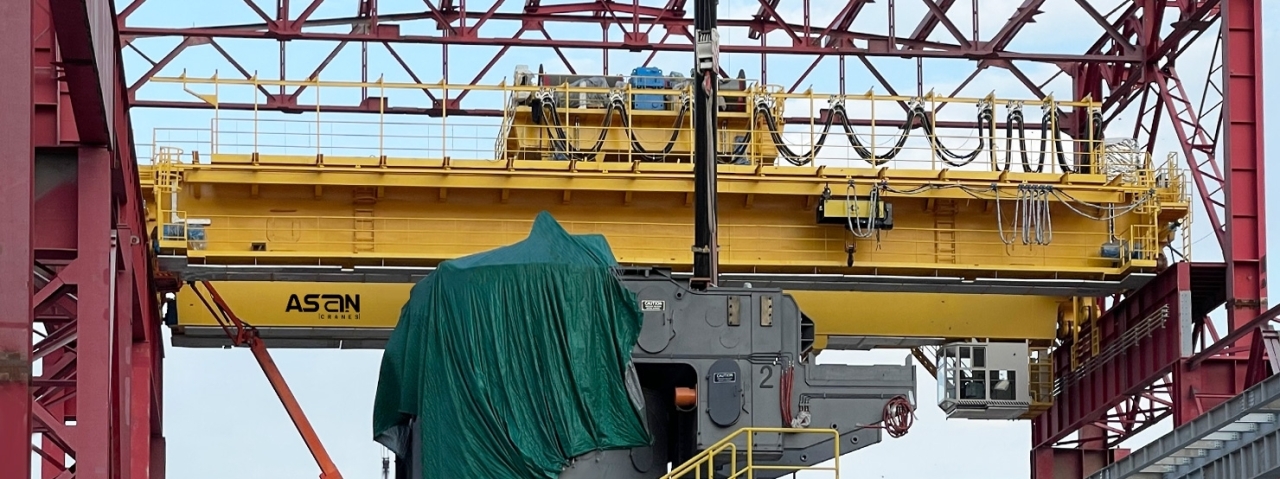
A process gantry crane is supported by legs that travel on ground-level rails or another suitable runway arrangement. This configuration can be advantageous where an existing building structure cannot economically support an overhead runway.
Typical applications include:
- Shipyards
- Ports
- Steel yards
- Precast concrete plants
- Heavy fabrication facilities
- Outdoor storage areas
- Industrial assembly areas
Outdoor process gantry cranes can also be designed with systems appropriate for wind, weather exposure and environmental conditions.
Ladle and Casting Cranes
Ladle cranes are specialized process cranes used in steelmaking and foundry operations to transport molten metal.
Because the application involves high-temperature materials and potentially catastrophic consequences in the event of an uncontrolled load movement, ladle crane design requires particular attention to:
- Hoisting system reliability
- Brake arrangements
- Mechanical load paths
- Structural integrity
- Heat protection
- Electrical system protection
- Emergency and limit functions
- Inspection and maintenance accessibility
- Appropriate redundancy based on the risk assessment
The exact configuration should be determined from the process, load characteristics and applicable design and safety requirements.
Scrap and Slag Handling Cranes
Scrap and slag handling cranes are used in demanding steelmaking and metallurgical environments.
These cranes may be equipped with grabs, magnets or other specialized lifting attachments. Their design must account for abrasive dust, high temperatures, variable loads and repetitive operation.
Waste-to-Energy Grab Cranes
Waste-to-energy plants require cranes capable of handling large volumes of heterogeneous waste material.
Grab cranes in waste reception bunkers may operate for extended periods and can be integrated with automated control systems for repetitive material handling.
Typical functions include:
- Waste unloading and pile management
- Mixing and homogenization
- Feeding the furnace or combustion line
- Monitoring grab position
- Automatic or semi-automatic operation
- Optimizing bunker utilization
Special-Purpose Process Cranes
Not every process crane fits into a standard category. Asan Cranes can engineer specialized lifting systems around the requirements of applications where conventional crane configurations are insufficient.
The solution can include customized lifting mechanisms, multiple hoists, specialized grabs or magnets, automation, positioning systems and application-specific control architecture.
Key Components of a Process Crane
A reliable process crane depends on the engineering of the complete system rather than on a single component.
Bridge Structure
The bridge structure is designed according to span, wheel loads, rated capacity, load spectrum, fatigue requirements and applicable design standards.
Structural calculations can address strength, stiffness, fatigue and other relevant limit states. The EN 13001 series, for example, provides a framework for crane general design, including load actions and proof of competence of structural and mechanical components.
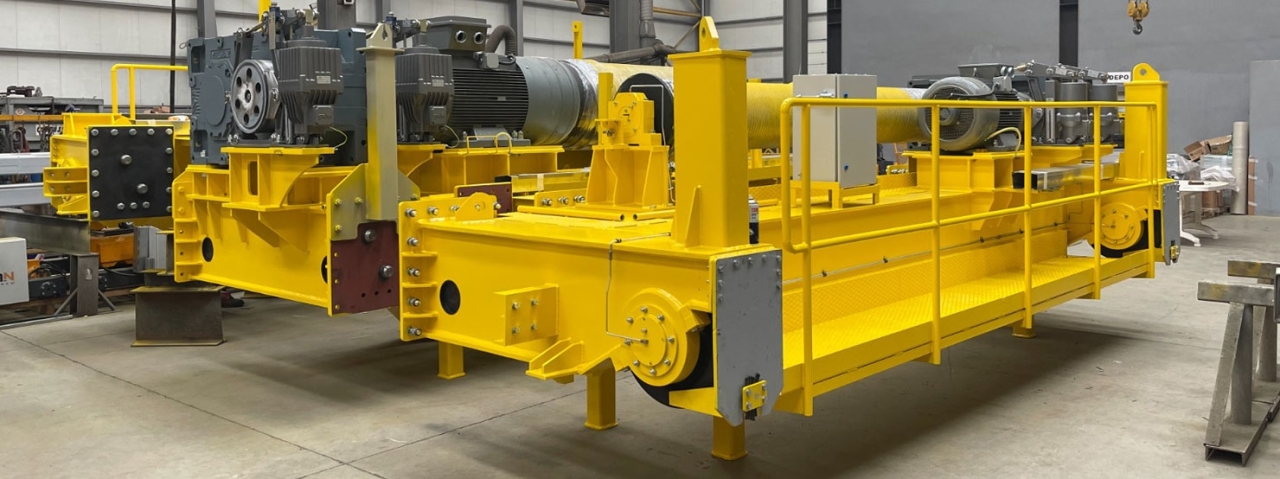
Hoisting System
The hoisting system is one of the most important elements of a process crane.
Depending on the application, it can include:
- Electric motors
- Gearboxes
- Wire rope drums
- Wire ropes
- Sheaves
- Hooks and load blocks
- Braking systems
- Limit switches
- Overload protection
- Independent auxiliary hoists
Hoist selection should be based on actual duty requirements rather than rated capacity alone.
Motors and Drive Systems
Modern process cranes commonly use variable frequency drives (VFDs) where precise acceleration, deceleration and speed control are beneficial.
Drive selection considers:
- Load spectrum
- Starting frequency
- Operating temperature
- Travel speed
- Hoisting speed
- Duty cycle
- Required positioning accuracy
- Thermal performance
- Controlled acceleration and deceleration can reduce mechanical shock and improve load handling.
End Trucks, Wheels and Runways
The bridge end trucks, wheels and runway system transfer crane loads into the supporting structure.
Their design should consider wheel loads, rail alignment, travel frequency, lateral forces, environmental conditions and expected service life.
Proper alignment, inspection and maintenance are particularly important for high-cycle process crane applications.
Electrical and Control Systems
The electrical system can include PLC-based control, operator interfaces, variable frequency drives, safety circuits, sensors and communication systems.
Depending on the process, advanced functions may include:
- Load monitoring
- Anti-sway control
- Position monitoring
- Automatic travel
- Automatic hoisting
- Collision avoidance
- Zone control
- Remote operation
- Condition monitoring
- Diagnostic systems
- Production-system integration
Automation level should be selected according to the process requirement and risk assessment rather than added simply as a technology feature.
Process Crane Automation and Smart Crane Technology
Industrial lifting is increasingly connected to automation and condition monitoring.
A modern process crane can be integrated into a plant's automation architecture using PLCs, sensors, industrial communication networks and supervisory systems.
Possible smart crane functions include:
Anti-Sway Control
Anti-sway algorithms can reduce uncontrolled load movement during trolley and bridge travel, improving positioning performance and reducing unnecessary oscillation.
Load and Position Monitoring
Load cells, encoders and position sensors can provide real-time information about load, hook position and crane movement.
Condition Monitoring
Sensors can be used to monitor selected components and operating parameters such as motor temperature, gearbox condition, brake performance, vibration or operating cycles.
This data can support condition-based maintenance strategies and help maintenance teams identify developing issues before they cause unexpected downtime.
Automatic and Semi-Automatic Operation
For repetitive industrial processes, automation can reduce manual intervention and improve repeatability.
The appropriate automation architecture depends on the plant process, required accuracy, safety concept and integration with other equipment.
Industries Using Process Cranes
Process cranes are used in many industries where repetitive or critical lifting operations are part of production.
Steel and Metal Industry
Applications include:
- Ladle handling
- Casting operations
- Scrap handling
- Slag handling
- Billet handling
- Coil handling
- Furnace charging
Power Generation
Process lifting systems can support turbine maintenance, generator handling, transformer installation and other heavy equipment operations.
Waste-to-Energy
Grab cranes handle waste in reception bunkers and feed combustion systems. High operating availability and automation can be particularly important in these facilities.
Mining and Mineral Processing
Heavy-duty cranes can be used for equipment handling, maintenance operations, material movement and specialized process applications.
Pulp and Paper
Cranes can be designed for material handling, roll handling, maintenance and equipment installation in demanding production environments.
Shipyards and Ports
Large-capacity overhead and gantry cranes can support shipbuilding, block assembly, maintenance and heavy material handling.
Automotive Manufacturing
Process-oriented cranes can support die handling, production equipment installation, powertrain handling and other repetitive lifting applications.
Petrochemical and Industrial Plants
Heavy lifting systems can support equipment installation and maintenance involving vessels, heat exchangers, reactors and other large components.
Where hazardous areas are present, the electrical and mechanical design must address the applicable hazardous-area classification and regulatory requirements.
Process Crane Design: What Information Is Required?
Designing the correct process crane begins with collecting accurate application data.
1. Rated Capacity
The maximum intended load must be defined, including the weight of lifting devices, attachments and other relevant components.
2. Load Spectrum
The crane manufacturer should understand not only the maximum load but also how frequently different load levels are handled.
A crane that occasionally lifts its rated load has a different duty requirement from one that repeatedly operates close to rated capacity.
3. Number of Cycles
Expected lifting and travel cycles are essential for determining the service requirements of mechanical, structural and electrical components.
4. Operating Hours
Daily operating hours, shifts per day and annual operating days should be established during the engineering stage.
5. Speeds and Travel Distances
Required hoisting, trolley and bridge speeds directly influence motor, gearbox, brake and control-system selection.
6. Environmental Conditions
Temperature, dust, humidity, corrosive substances, outdoor exposure and hazardous-area conditions should be identified before equipment specification.
7. Required Availability
If crane downtime can stop production, the design may require additional attention to redundancy, maintainability, diagnostics and spare-parts strategy.
Process Crane Safety and Compliance
Process crane safety is based on a combination of engineering design, risk assessment, protective systems, inspection, maintenance and operator competence.
The applicable requirements depend on the country, industry and specific application.
For the United States, OSHA 29 CFR 1910.179 covers overhead and gantry cranes and includes requirements related to rated-load marking, brakes, inspections, operational practices and other safety provisions. OSHA classifies inspections as frequent and periodic, with intervals determined by factors such as service and component exposure.
For European projects, the EN 13001 crane design series is an important reference for general crane design. The applicable European machinery legislation must also be considered. Regulation (EU) 2023/1230 on machinery is scheduled to apply from 20 January 2027.
Depending on the destination market and application, other standards and requirements may also apply.
Therefore, process crane compliance should be established project by project rather than relying on a single universal standard.
How to Select a Process Crane Manufacturer
Choosing a process crane manufacturer is not simply a comparison of lifting capacity and price.
A suitable supplier should be able to understand the complete application and translate operational requirements into a technically appropriate crane design.
Important evaluation criteria include:
- Engineering capability
- Experience with heavy-duty cranes
- Structural and mechanical design capability
- Electrical and automation expertise
- Manufacturing quality
- Testing and commissioning procedures
- Documentation quality
- Spare-parts availability
- Maintenance support
- International project experience
- Compliance with applicable standards
- Ability to customize the crane for the process
For critical applications, the manufacturer's ability to understand why the crane is being used can be as important as its ability to manufacture the crane itself.
Why Choose Asan Cranes for Process Crane Projects?
Asan Cranes approaches process crane projects as application-specific engineering projects.
Rather than treating every industrial crane as a standard product, the design process can be structured around the customer's actual operating conditions, including capacity, duty cycle, load spectrum, environment, speed, automation requirements and maintenance strategy.
The result is a process crane engineered to support the specific production requirements of the facility.
Asan Cranes can provide solutions for demanding industrial applications requiring:
- Custom crane engineering
- Heavy lifting capacity
- High-duty operation
- Specialized lifting equipment
- Automated crane systems
- Industrial PLC and control systems
- Application-specific safety systems
- Specialized grabs, magnets and lifting attachments
- Engineering documentation
- Installation and commissioning support
Frequently Asked Questions About Process Cranes
What is a process crane?
A process crane is a specialized industrial crane engineered to perform a defined and often repetitive lifting function within a production or material-handling process. Its design is based on the actual load spectrum, duty cycle, environment and operational requirements.
What is the difference between a process crane and an overhead crane?
An overhead crane describes the crane's general structural arrangement, while a process crane describes its application and engineering purpose. A process crane can use an overhead bridge configuration, but it is specifically engineered around a demanding industrial process.
What industries use process cranes?
Process cranes are used in steel and metal production, foundries, power generation, waste-to-energy, mining, pulp and paper, shipyards, ports, automotive manufacturing and other heavy industrial sectors.
What is a heavy-duty process crane?
A heavy-duty process crane is designed for demanding load spectra, frequent lifting cycles and/or severe environmental conditions. Its required duty class should be determined from actual operating data and the applicable design methodology.
What is a ladle crane?
A ladle crane is a specialized process crane used in steelmaking and foundry operations to handle ladles containing molten metal. Its design places particular emphasis on reliability, thermal protection, braking, load control and application-specific safety requirements.
How is process crane capacity determined?
Capacity is not determined only by the maximum weight to be lifted. Engineers also evaluate load spectrum, lifting cycles, speeds, geometry, duty cycle, environmental conditions and the requirements of the lifting attachment.
Can process cranes be automated?
Yes. Depending on the application, process cranes can incorporate PLC-based control, automatic positioning, anti-sway functions, load monitoring, remote operation, collision avoidance and other automation technologies.
Which standards apply to process cranes?
The applicable standards depend on the project location and application. European projects may involve the EN 13001 series and applicable European machinery legislation, while U.S. projects can involve OSHA requirements and relevant ASME/CMAA standards. Additional industry-specific or hazardous-area requirements may apply.
How long does a process crane last?
Service life depends on the crane's design, load spectrum, duty cycle, environment, maintenance and operating practices. A properly engineered and maintained process crane can be designed for a long operational lifecycle, but service-life expectations should be established from the actual project requirements.
Request a Process Crane Engineering Solution
Every process crane application has different operating requirements.
If you are planning a new industrial crane project, replacing an existing process crane, increasing crane capacity or modernizing an existing system, Asan Cranes can evaluate the application and develop a solution around your operational requirements.
Contact Asan Cranes to discuss your process crane project, required capacity, duty cycle, operating environment and automation requirements.
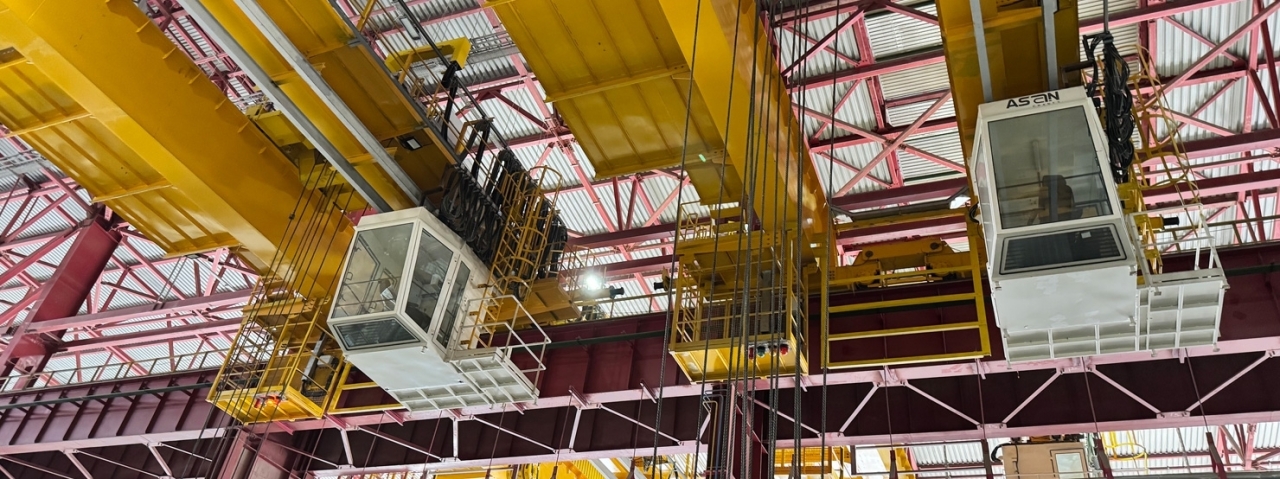 Process Crane
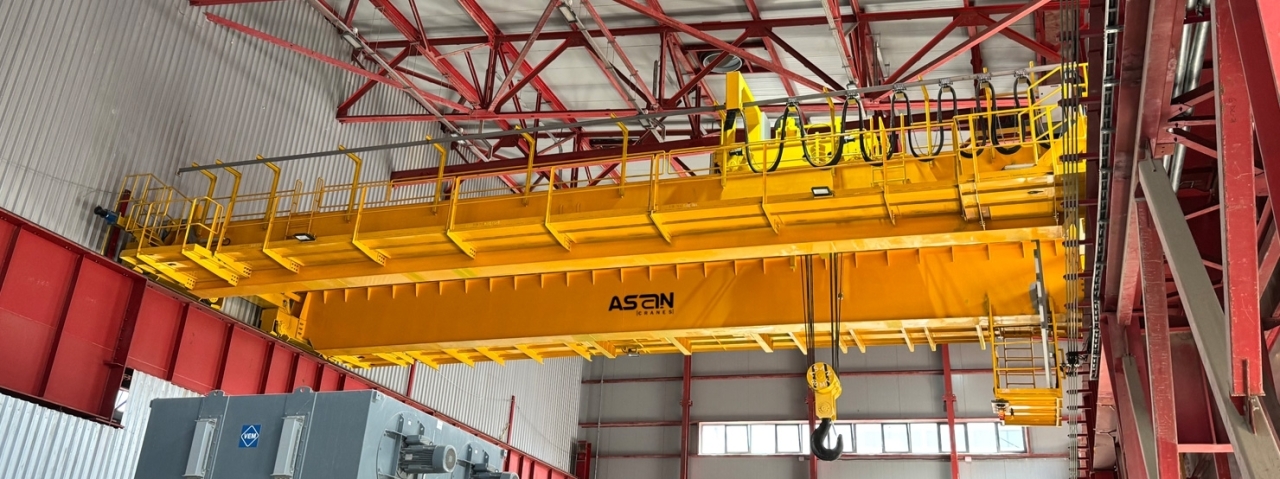 Process Crane
 Process Crane
 Process Crane
 Process Crane
 Process Crane
Professional, powerful and reliable industrial cranes, equipments are our core expertise.
ALL PRODUCTS Contact
 Whatsapp
 Telephone